

Creative Intelligence for a Living World with Marcus Wendt, Founder of FIELD.IO
We exist where intelligence meets imagination.” —Marcus Wendt

We exist where intelligence meets imagination.” —Marcus Wendt
This ethos drives FIELD.IO, the London and Berlin–based design and innovation studio founded by Marcus Wendt in 2009. In our live Futurespaces talk last Thursday, Wendt offered a sweeping look at how FIELD is helping shape the next era of environments and brand systems—spaces designed not just to inform or entertain, but to anticipate, inspire, and evolve with a changing world.
A topic we’re always exploring at Futurespaces, this conversation pushed even further into how design can carry emotional weight and adaptive intelligence. Wendt traced FIELD’s evolution from early generative art experiments to today’s AI-native experiences and spatial brand systems. Their work spans immersive installations, dynamic retail ecosystems, and living interfaces and is grounded in the belief that technology isn’t just a tool, but a creative material.
The through line is a commitment to creating experiences that feel as intelligent and alive as the people moving through them. For Wendt, intuition is core to the process:
“Where others see automation, we see intuition. Every project is both a technical challenge and an emotional opportunity.”
From biking through remote territories (including the Icelandic landscape he joined us from last week) to witnessing the fall of the Berlin Wall, Wendt’s lifelong pursuit of edge environments now fuels FIELD’s mission: to help global brands ignite imagination and move minds in a world that is constantly shifting.
If you missed the live talk, a full recording is available online. Or read on for the complete Futurespaces editorial recap.
The Spark: From Instinct to Studio
FIELD.IO began with a simple instinct: that creative intelligence would fundamentally transform how brands live in the world.
Raised in East Germany, Wendt experienced firsthand the collapse of entrenched systems—and the creative possibilities that follow. That moment seeded a lifelong interest in transition and transformation, later expressed through early net art experiments and interactive design.
“We started with a very different idea of an artistic creative practice as a studio—and ended up with something different, but still somehow true to the spirit.”
That spirit—of navigating uncharted terrain—became the foundation for FIELD’s work. What began as generative art experiments has since grown into a global studio reimagining how brands show up, adapt, and resonate in an increasingly dynamic world.
Today, Wendt champions an approach that treats every project as both an emotional opportunity and a system design challenge—driving FIELD’s exploration of generative technologies, real-time storytelling, and responsive environments. His philosophy positions emotion not as a flourish, but as foundational:
“Emotion is information. It’s not soft—it’s structural.”
This vision has shaped work for clients like Nike, Adidas, and IBM—brands seeking to evolve not just in appearance, but in behavior.
The Work: ON and the System Behind the Story
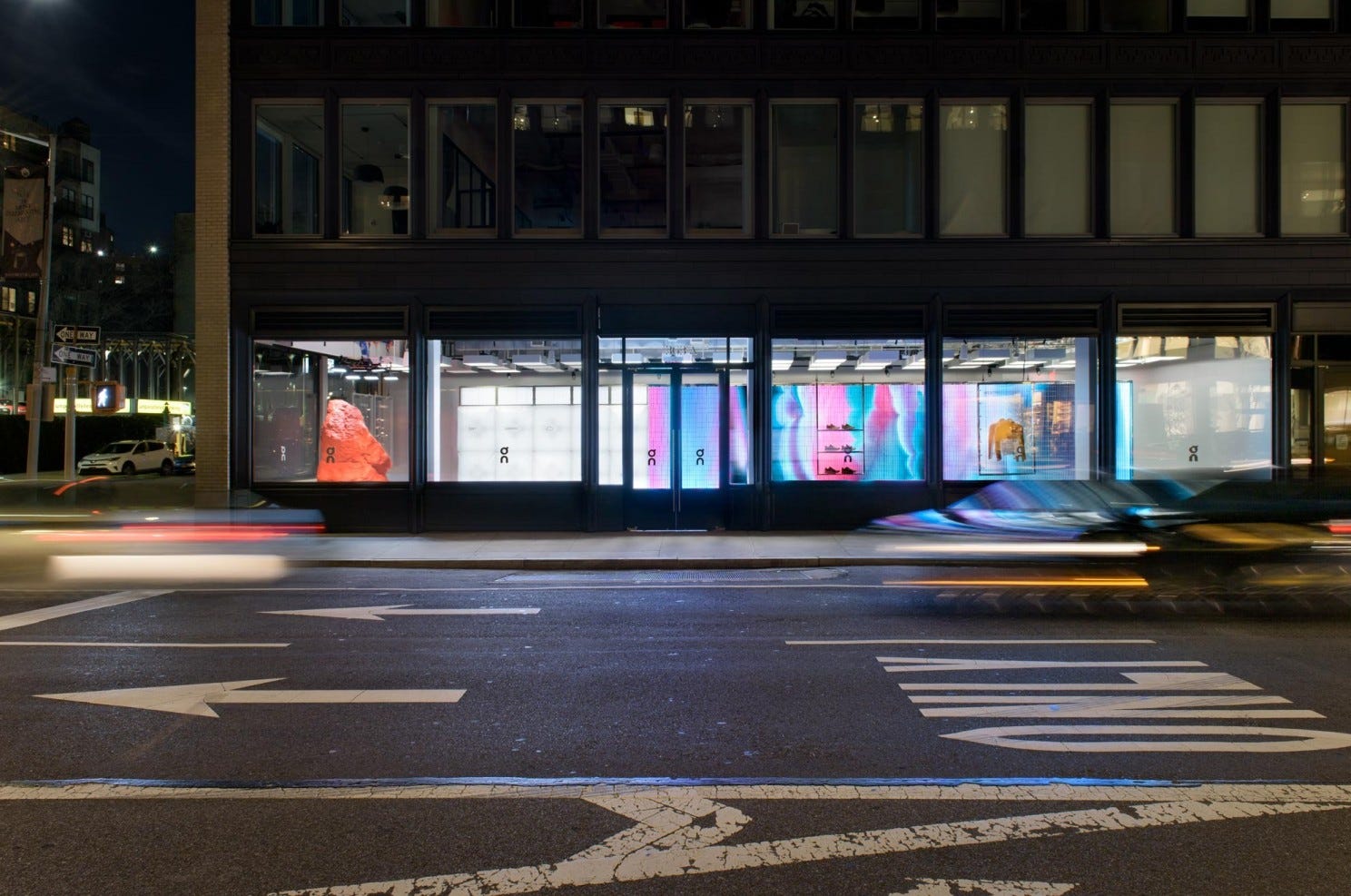
A centerpiece of Wendt’s talk was FIELD’s recent work with Swiss performance brand ON—a project that embodies the studio’s belief in systems that behave like living organisms.
Rather than creating a traditional brand campaign, FIELD developed a modular, generative framework: a toolkit of adaptive storytelling elements, motion behaviors, and responsive layouts that could scale globally while flexing across platform, audience, and environment.
“We built a system that doesn’t just look like ON. It behaves like ON. It learns how to move, how to adapt, and how to surprise.”
The system was designed to operate across a wide range of touchpoints—from product campaigns to flagship store experiences to digital platforms. Crucially, it gave ON’s internal teams tools they could work with directly—creating a system that was not only expressive but usable.
“It needed to be something the internal brand team could use—not just a big idea, but a living toolkit that scales.”
Every interaction was tuned to reflect ON’s core values: clarity, performance, and precision. Motion in the system wasn’t just an aesthetic layer—it conveyed tone, rhythm, and pace. Layouts adjusted fluidly to context and use. IELD’s approach embedded ON’s sensibility into every output, choreographing brand behavior into a unified yet flexible experience.
Midway through the talk, Wendt toggled between real-time simulations of the ON system, narrating how traits like speed, breath, and friction translate into visual character. It was a reminder that FIELD’s systems aren’t just scalable—they’re sensorial.
As Wendt put it, “Everything we build starts with a behavior.” What began as a design engagement has since evolved into a platform for ON’s ongoing expression—a brand that doesn’t settle into a look, but grows through interaction.
“Try On” blends motion capture with data-driven retail: your gait is transformed into a digital artwork, biomechanical analysis, and personalized product advice – with long-term tracking to show how the right shoe improves performance.
Design as Behavior
FIELD’s work resists static definitions. Across every project, the studio’s philosophy is clear: brands aren’t artifacts. They’re behaviors. Not platforms, but patterns. Not styles, but systems.
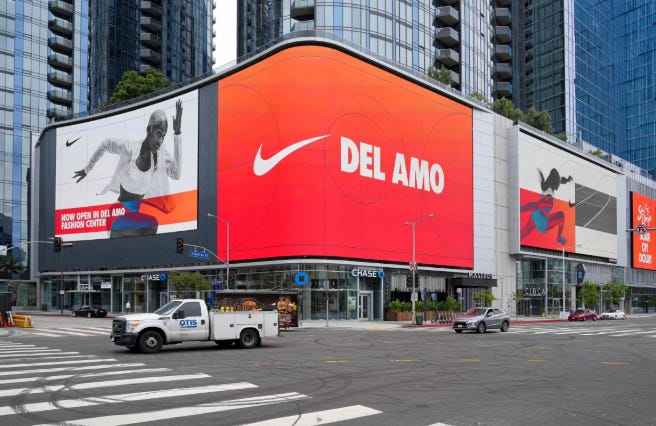
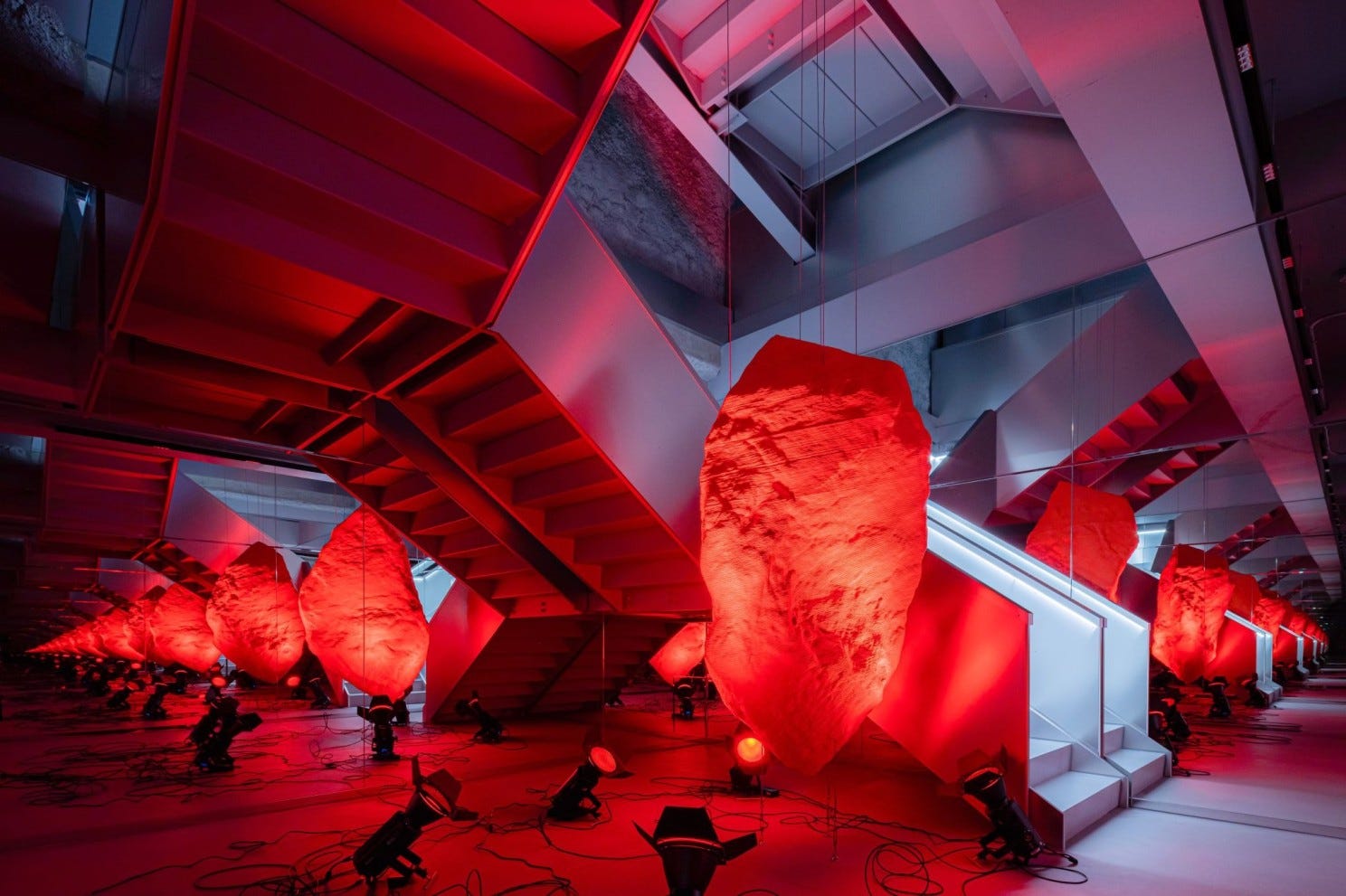
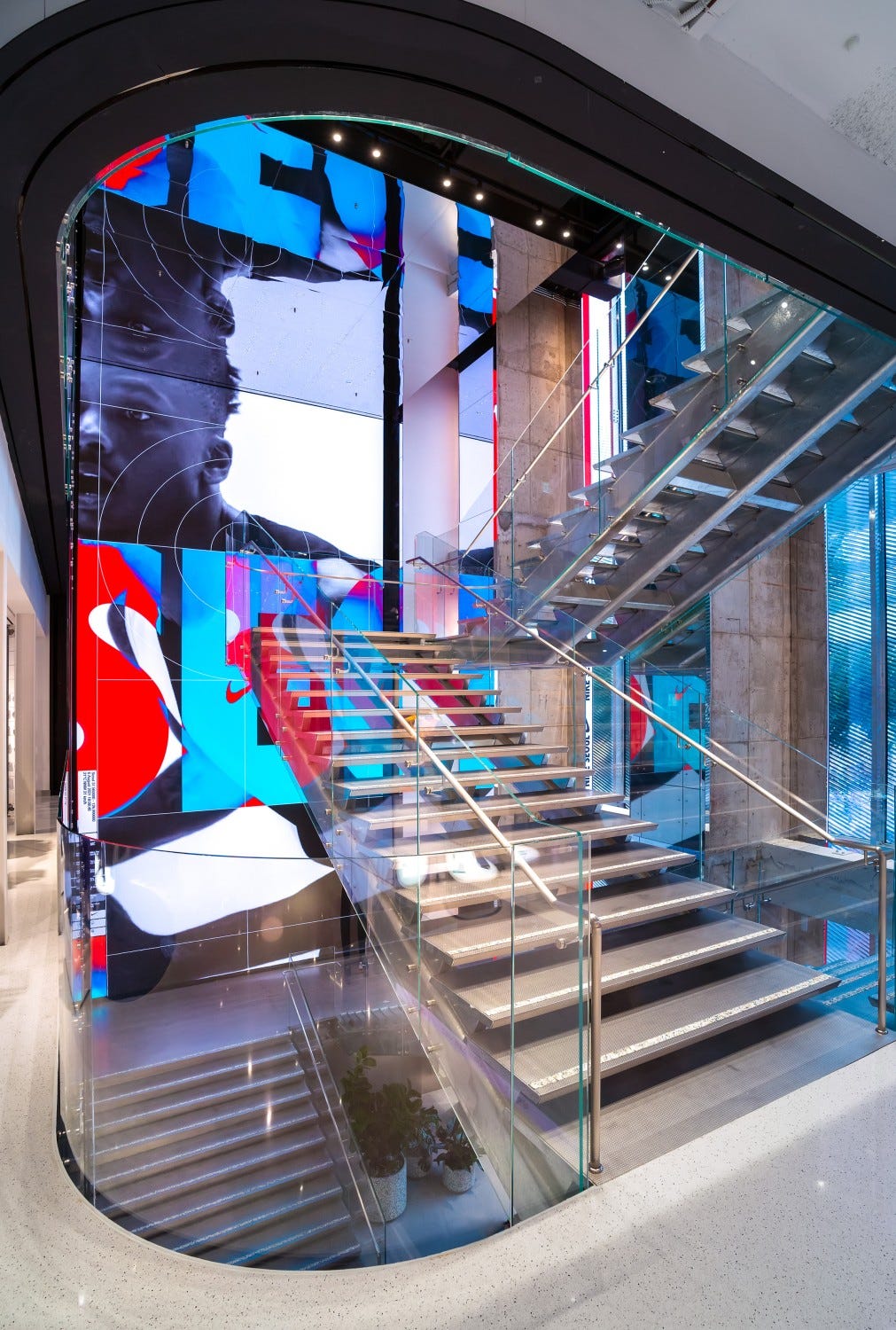
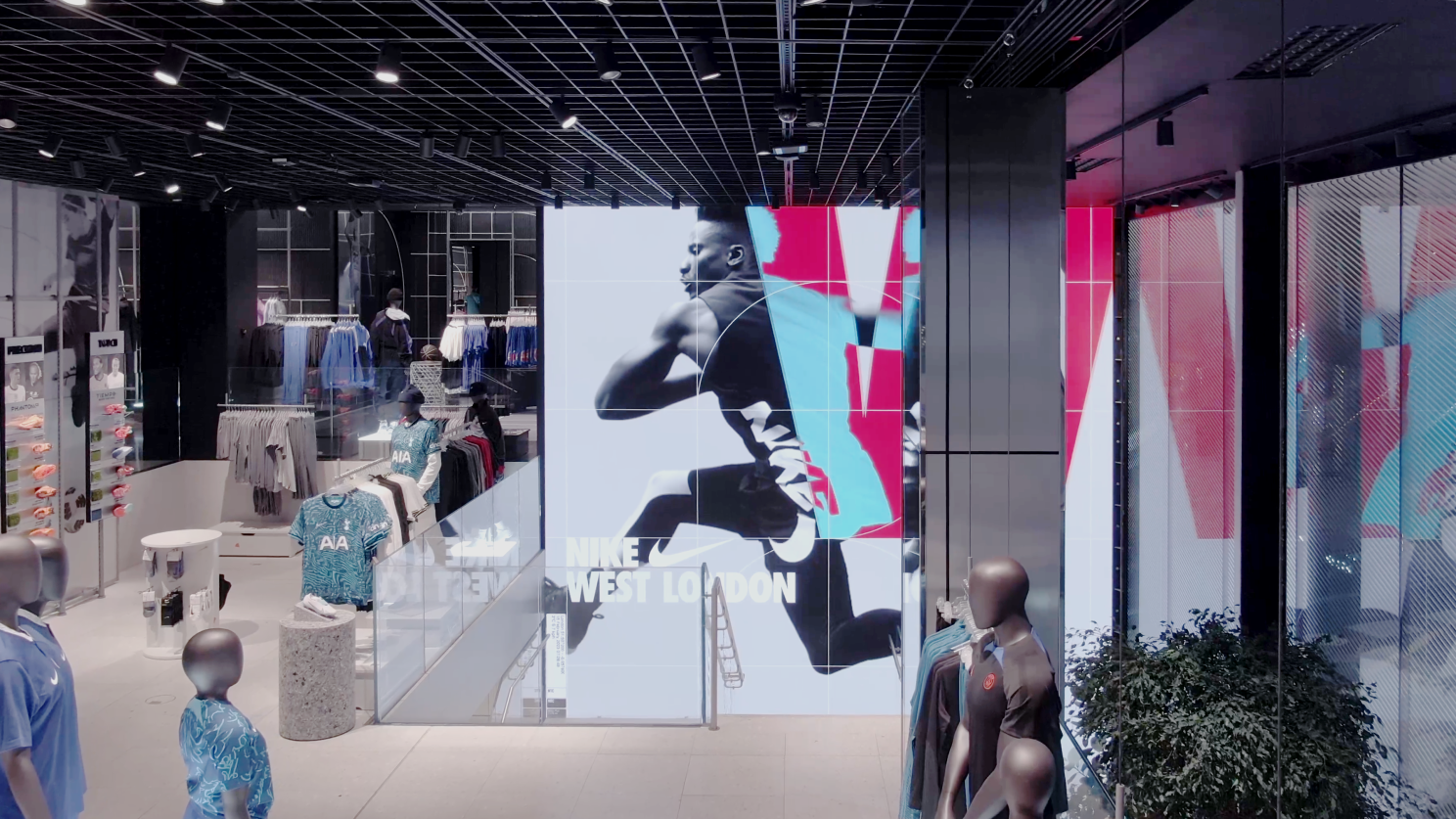
In a retail system for Nike, FIELD built a framework capable of updating hundreds of flagship stores worldwide in near real-time—transforming physical locations into adaptive interfaces. In an ambient installation for IBM’s quantum computing initiative, they visualized the logic of quantum entanglement as a dynamic, generative sculpture of light and form.
These projects don’t just produce content. They produce conditions for resonance.
“In the ocean of output, the ability to discern what matters has never been more valuable.”
Wendt’s approach rejects one-off executions in favor of responsive systems. They aren’t designing for outcomes, they are designing systems that are meant to evolve.
The Studio as Platform
FIELD has evolved to mirror the very systems it designs—modular, interdisciplinary, and collaborative by nature. Its team spans motion designers, architects, engineers, and storytellers working across digital, spatial, and physical media.
“Brands provide the vision. Audiences contribute behavior and feedback. AI becomes the connective tissue.”
That connective layer is now being formalized into FIELD’s next initiative: Experience OS—a platform built to help cultural institutions, retailers, and public environments create spaces that adapt in real time. It translates FIELD’s custom systems into a flexible product others can use to build dynamic, responsive experiences of their own.
“We’re not designing brands—we’re designing brand habitats.”
That framing captures FIELD’s larger ambition: not just to define how a brand looks, but how it lives. These are systems built to grow, not settle. With Experience OS, FIELD is building the infrastructure for environments that feel expressive, intelligent, and alive—places that respond, learn, and evolve with the people moving through them.
The goal isn’t to automate storytelling or scale content. It’s to cultivate experiences that feel as present and adaptive as the world around them.
What’s Next
In fall 2025, FIELD will open a new public-facing space in New York City—part lab, part showroom, part living experiment. It will host hundreds of interventions over five years to explore how environments can adapt, surprise, and engage.
“We’re going to run 300 experiments over the next five years. It’s about creating spaces that learn—and surprise.”
How to Engage
To explore FIELD.IO’s work or get involved, visit field.io. The studio is also hiring across creative and technical roles globally. Designers, engineers, researchers, and system thinkers are all welcome to reach out.
FIELD’s work is part of a larger shift in how we think about space, intelligence, and experience design—a shift Futurespaces is proud to support.
Author’s Note
This article was produced by Futurespaces based on Marcus Wendt’s talk and our notes from the conversation. It’s part of our editorial series exploring creative reinvention, technology, and storytelling futures. Futurespaces is a community of experience designers and cultural thinkers exploring how innovation deepens connection—through weekly live webinars and curated insights into contemporary creative practice
.