In a world that moves at the speed of the Skip Intro button, Anthony Vitagliano wants us to pause—to feel the shift that happens when we enter a story. For the Chicago-based Creative Director and founder of the experience design studio TONOS, tone isn’t a layer of polish; it’s the invisible architecture that shapes how we connect to place, story, and one another.
Across two decades of work spanning television, hospitality, and museums, Vitagliano has learned that tone is “the secret language of story.” Every show, brand, or space, he believes, has its own genius loci—an essential spirit waiting to be revealed. And whether crafting opening credits or immersive environments, the same principle applies: atmosphere isn’t decoration, it’s the force that brings a story’s true spirit to life.
If you missed the live conversation (originally streamed on Thursday, October 2), read on for the complete Futurespaces editorial recap of A Main Title for a Space —a journey through title design, spatial storytelling, and the evolution of motion into environment.
To Skip or Not to Skip
Believe it or not, there was once a time before Netflix’s Skip Intro button.
Vitagliano begins with an object lesson in modern attention.
“We’ve all done it,” he admits. “But when you skip, you’re not just jumping past credits—you’re skipping the emotional threshold that prepares you for what’s about to happen.”
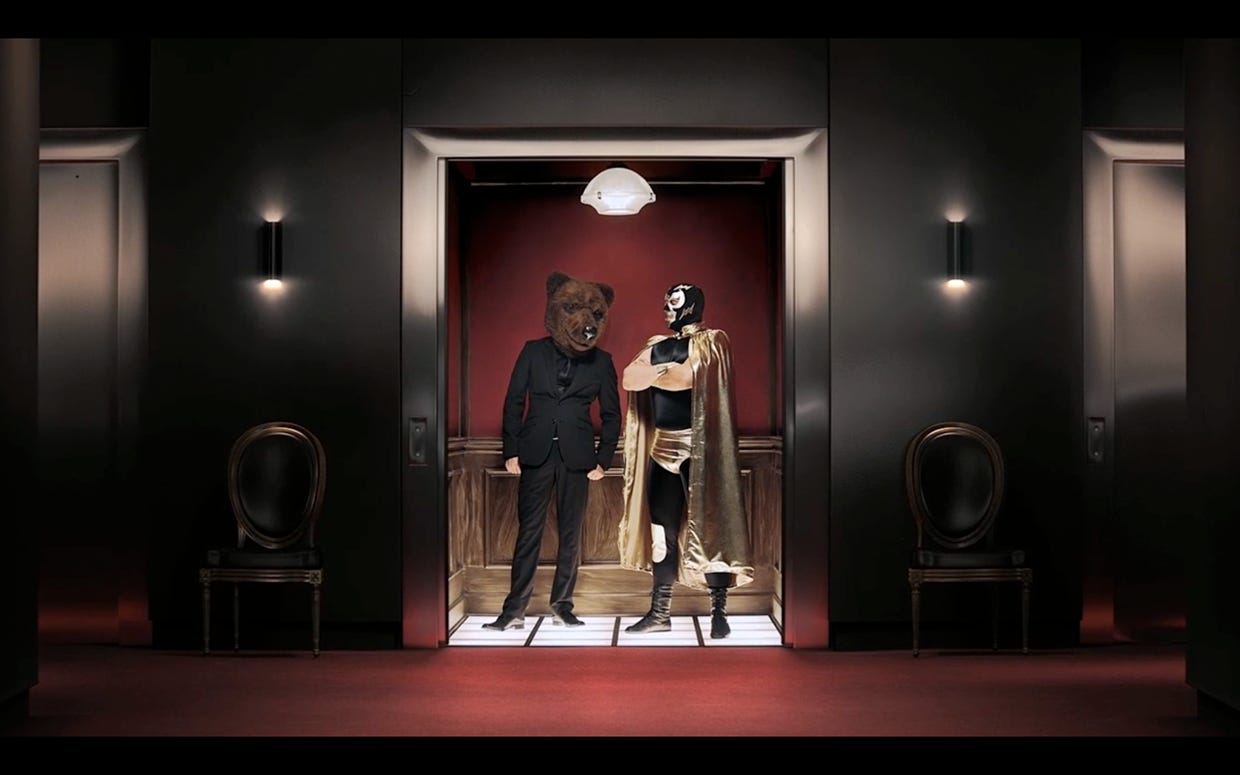
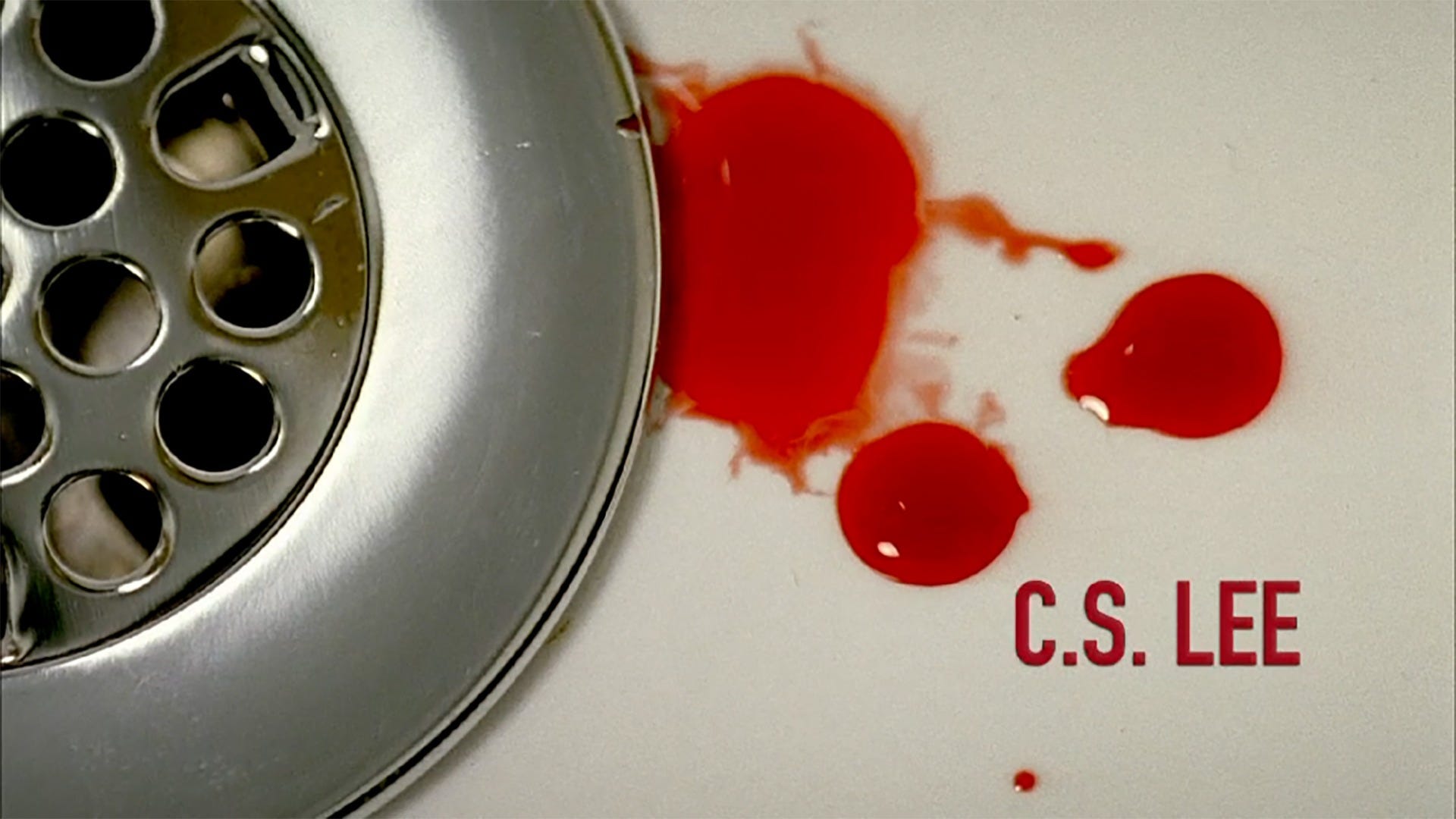
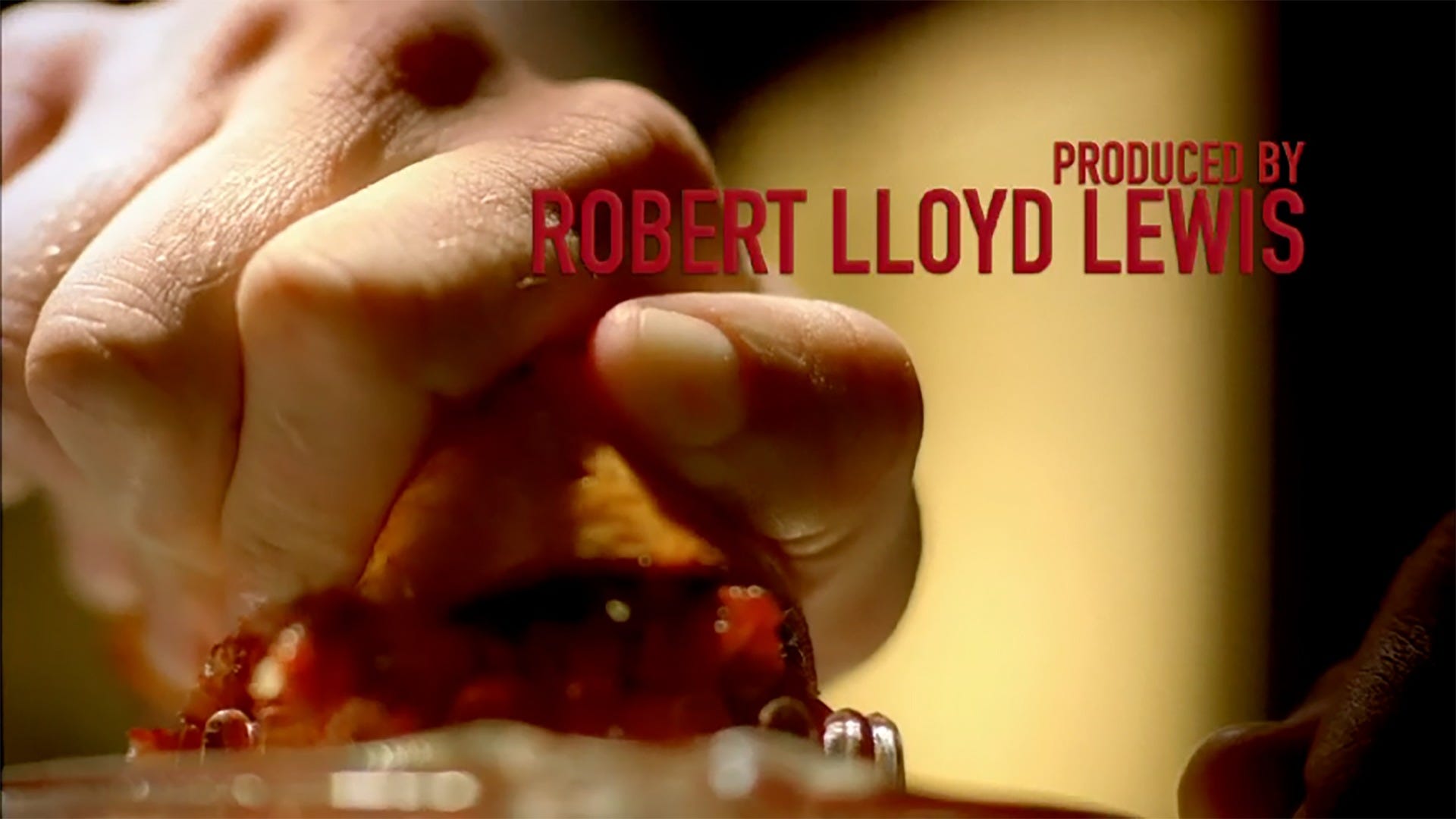
At Digital Kitchen, where Vitagliano spent 17 years designing some of television’s most iconic title sequences, those thresholds were everything. The titles for Six Feet Under, Nip/Tuck, and Dexter weren’t meant to explain the story—they were meant to tune you to it.
“Those ninety seconds weren’t about explaining the plot,” he says. “They were about setting the frequency of the vibe of the thing.”
Before binge culture, title sequences acted as palate cleansers—brief moments that carried viewers out of the everyday and into a world shaped by tone. For Vitagliano, those moments became the foundation of a lifelong inquiry: how does tone move people?
From Television to Thresholds
That question took physical form in 2010, when a client walked into Digital Kitchen with a new kind of brief:
“How do you take what you do for screens,” they asked, “and make it physical?”
The project was The Cosmopolitan of Las Vegas, a new hotel with an ethos summed up in five words: just the right amount of wrong. Vitagliano’s team treated the lobby like a cinematic opening. “Guests stepped out of a cab and into a title sequence,” he says.
They designed media-rich columns that shimmered with surreal imagery—ferrofluid experiments, abstract forms, and fleeting human silhouettes—all tuned to the hotel’s spirit. The result was a physical manifestation of tone, a place where story wasn’t told but felt.
“It became a title sequence for your stay,” Vitagliano recalls. “The first thing you experienced coming out of a cab set the emotional frequency for your entire weekend.”
Fifteen years later, much of that work still animates the Cosmopolitan lobby—a testament to what happens when tone is grounded in truth.
The Truth Beneath the Soundtrack
One of Vitagliano’s most formative lessons came from the title sequence for Dexter. The initial version paired the morning ritual of the show’s antihero with an ominous, brooding soundtrack. It looked great—but it felt wrong.
“The showrunners hated it,” he laughs. “They said, ‘That’s not who Dexter is.’”
When the team replaced the music with Daniel Licht’s playful, plinking melody, the sequence transformed. The juxtaposition of light music and dark imagery revealed the show’s deeper truth—its irony, its humor, its humanity.
“The right music is the ultimate truth-teller,” Vitagliano says. “Get it wrong, and the whole thing collapses. Get it right, and everything locks into place.”
The experience taught him that tone isn’t an aesthetic decision—it’s an alignment between the truth of story and the truth of expression. Between what something means and how it feels.
That alignment, he adds, is “truth made tangible.”
The Spirit of Place
In translating tone from the screen to physical space, Vitagliano found a guide in 19th-century landscape architect Frederick Law Olmsted, who described the spirit of place as the emotional essence embedded in every landscape.
“Olmsted didn’t impose his will on nature,” Vitagliano says. “He listened for the genius that was already there.”
He connects this to a natural metaphor: the ecotone—the fertile boundary where two ecosystems meet. “That’s where biodiversity thrives,” he explains. “It’s nature’s way of saying, ‘What happens when these two worlds collide?’”
It’s also where new creative frequencies are born. “When you combine the truth of story with the truth of expression,” he says, “the interference between them creates a new tone—a new world.”
This insight inspired the name of his studio, Tonos—Greek for “tension” or “tone.” It’s a reminder that creativity often lives at the threshold, where opposing forces generate resonance.
Worlds Made of Sound
That philosophy came full circle in 2021, when Amazon Studios approached Vitagliano’s longtime collaborators at Plains of Yonder to create the main titles for The Lord of the Rings: The Rings of Power.
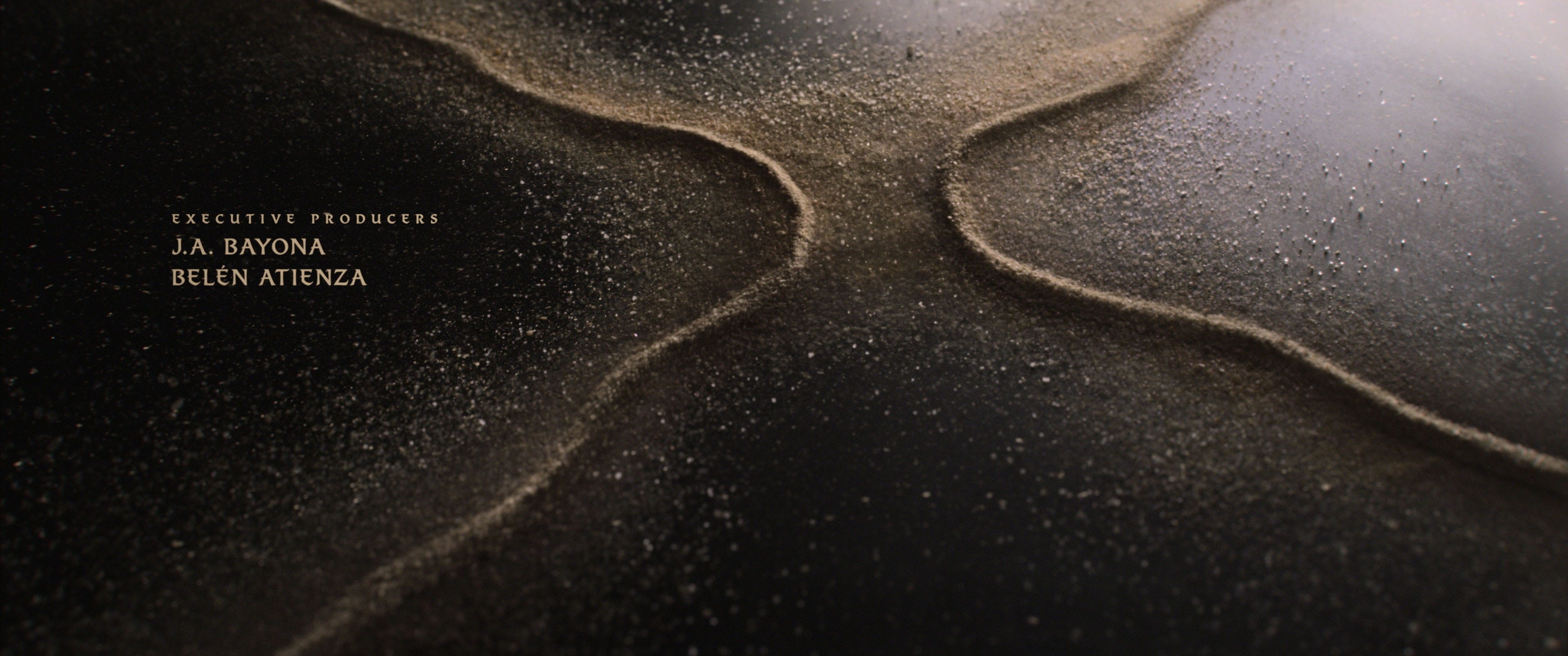
Vitagliano turned to Tolkien’s own creation myth—the world sung into existence by angelic beings—and paired it with cymatics, a real-world phenomenon in which sound vibrations form visible patterns in matter.
“Middle-earth isn’t just geography,” he says. “It’s materialized tone.”
Working with composer Howard Shore and calligraphers in New Zealand, the team brought this idea to life through a blend of practical and digital craft. Ripples of sound sculpt sand and water into shifting geometric forms, suggesting a world born of resonance itself.
“Tolkien understood that tone doesn’t just color a world,” Vitagliano says. “It creates it.”
Designing for Behavior
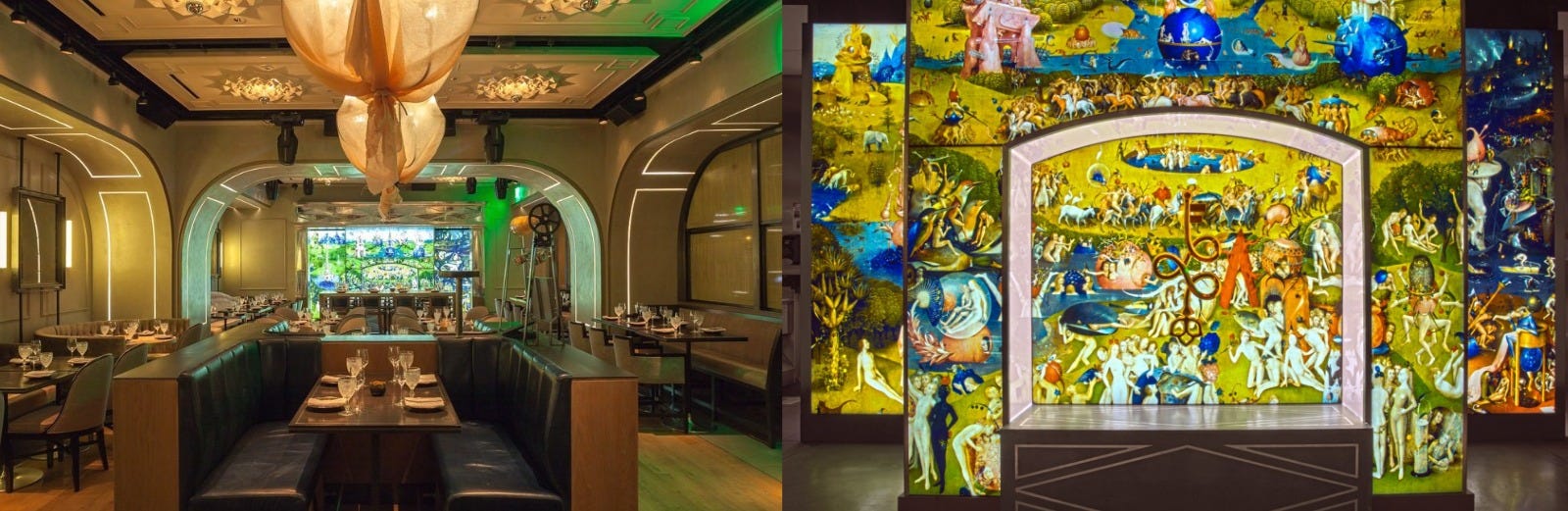
Tone, Vitagliano argues, shapes behavior as much as it shapes aesthetics. When The Cosmopolitan invited him back to design its social club Rose. Rabbit. Lie., he and his team coined a new mantra: tone should inform everything—from narrative to napkins.
The name came from a book of racehorse names—phrases that evoked feeling rather than description. “They weren’t describing the horse,” Vitagliano says. “They were conjuring emotion.”
That same emotional engineering defined the space. Guests entered through triptych portals referencing The Garden of Earthly Delights; lenticular art shifted between Midwest nostalgia and European surrealism. The effect was playfully unsettling—“the right amount of wrong” once again made tangible.
“We didn’t tell people how to behave,” he says. “We just built a feeling. They lingered longer. They performed more freely. They belonged.”
Resonance Over Perfection
Asked about what’s next, Vitagliano resists futurism. “I’ve never really thought about the future,” he says. “I think about the present moment of feeling.”
Still, he’s exploring how artificial intelligence might expand analog creativity rather than replace it. “I don’t want perfection,” he insists. “I want weirdness. I want it to behave like an instrument—something you can play and discover new tones with.”
In a culture chasing frictionless efficiency, Vitagliano’s north star remains the same: seek the right frequency, not the flawless one.
“Good ideas should have a mind of their own,” he says. “They should be uncontrollable.”
The Work of Listening
For Vitagliano, every project—whether a 90-second title or a city-scale experience—starts the same way.
“What’s the tone? What should this feel like?”
Tone, he reminds us, isn’t optional. It’s the resonance that makes an experience unforgettable. “The question isn’t whether tone matters,” he says. “The real question is—are you listening for it?”
To explore more of Anthony’s work—or to connect about future collaborations—visit TONOS.STUDIOor follow his ongoing explorations on LinkedIn.
Author’s Note This article was produced by Futurespaces based on Anthony Vitagliano’s live talk A Main Title for a Space and follow-up conversation. It is part of the Futurespaces editorial series exploring creative reinvention, technology, and storytelling futures.
Futurespaces is a community of experience designers and cultural thinkers exploring how innovation deepens connection—through weekly live webinars, behind-the-scenes tours, and curated insights into contemporary creative practice.